
Medically informed educational guide based on current dermatology and obstetric recommendations. This article does not replace advice from your OB-GYN, dermatologist, or maternal-fetal medicine specialist.
Quick Answer
For most pregnant women, the answer is more nuanced than “Nivea is unsafe” or “Mustela is safe.”
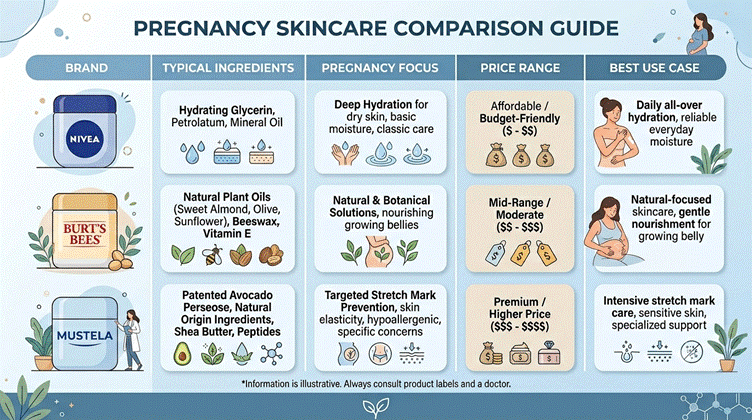
Basic Nivea moisturizers (such as the classic blue-tin cream) are generally considered low-risk during pregnancy because they primarily contain occlusive moisturizers like mineral oil, glycerin, and emollients rather than ingredients commonly flagged during pregnancy.
Some Nivea specialty products, particularly anti-aging, wrinkle-correcting, retinol-containing, or certain chemical sunscreen formulations, may contain ingredients many healthcare providers recommend avoiding during pregnancy.
Mustela’s maternity-focused products are specifically formulated with pregnancy and postpartum use in mind, making them easier choices for women who want to minimize ingredient research.
Burt’s Bees falls somewhere in the middle. Many products are pregnancy-friendly, but “natural” does not automatically mean pregnancy-safe. Individual formulas still require ingredient review.
The Bottom-Line Verdict
| Brand | Pregnancy Safety Rating | Best For |
| Nivea Basic Moisturizers | Generally Safe | Budget-conscious hydration |
| Nivea Anti-Aging Lines | Use Ingredient Review | Existing users checking formulas |
| Burt’s Bees | Usually Safe but Formula-Dependent | Natural skincare preference |
| Mustela Maternity Range | Specifically Designed for Pregnancy | Maximum reassurance and convenience |
The Most Important Thing Pregnant Women Need to Know About Skincare Safety
The biggest misconception online is that skincare ingredients easily pass from your skin into your bloodstream and then to your baby.
In reality, human skin is an effective barrier. Most cosmetic ingredients penetrate only the upper layers of skin, and systemic absorption is often extremely limited. This is why dermatologists evaluate ingredients individually rather than labeling entire brands as dangerous.
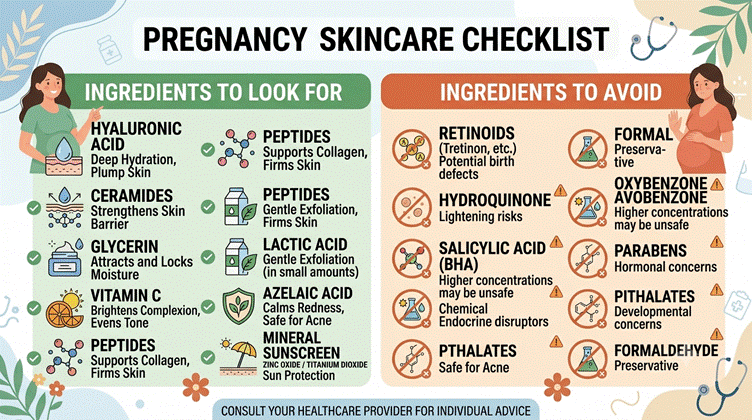
The ingredients that consistently receive the most caution during pregnancy are:
Generally Avoid
- Retinol
- Retinal
- Retinyl palmitate
- Tretinoin
- Adapalene
- Prescription retinoids
- Hydroquinone
Use Additional Caution
- High-strength salicylic acid peels
- Certain chemical sunscreen filters
- Heavy essential-oil blends
- Aggressive anti-aging treatments
Generally Considered Pregnancy-Friendly
- Hyaluronic acid
- Glycerin
- Ceramides
- Mineral oil
- Shea butter
- Cocoa butter
- Niacinamide
- Vitamin C
- Azelaic acid
- Zinc oxide mineral sunscreens
Current guidance from the American College of Obstetricians and Gynecologists (ACOG) recommends avoiding topical retinoids during pregnancy even though absorption is low, primarily because safer alternatives exist.
Is Classic Nivea Creme Safe During Pregnancy?
Short Answer: Usually Yes
The classic Nivea Creme in the blue tin is one of the simplest products in Nivea’s lineup.
Its formula primarily functions as an occlusive moisturizer, meaning it helps reduce water loss from the skin rather than delivering active anti-aging ingredients.
For pregnant women struggling with:
- Belly dryness
- Itchy stretching skin
- Winter dryness
- Rough elbows and knees
the classic cream is generally considered a reasonable option.
Why Some Mothers Become Concerned
The ingredient list includes fragrance.
Fragrance is not automatically dangerous during pregnancy, but hormonal changes can make skin more reactive and sensitive.
If you’ve suddenly developed:
- redness
- itching
- stinging
- eczema-like irritation
during pregnancy, fragrance may be the issue rather than a pregnancy-specific safety concern.
Practical Takeaway
If you’ve been using the classic blue-tin Nivea and recently discovered you’re pregnant, there is typically no reason to panic.
The bigger concern is identifying active ingredients like retinoids—not basic moisturizers.
Which Nivea Products Require Extra Scrutiny?
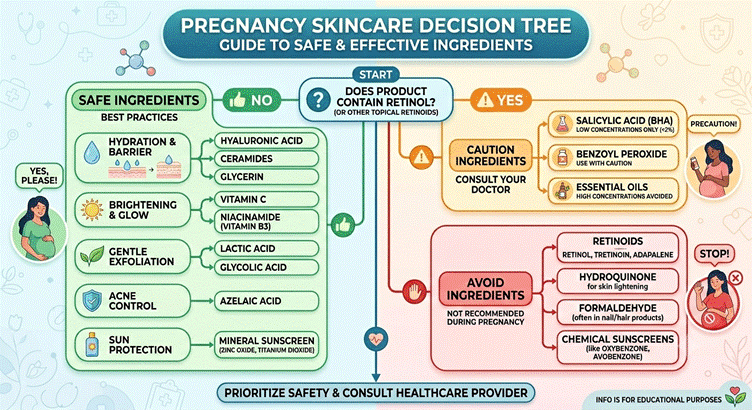
ALT TEXT: Decision tree for evaluating skincare ingredient safety during pregnancy
This is where many online articles fail readers.
The question should never be:
“Is Nivea safe?”
The real question is:
“Which Nivea product am I using?”
Products That Deserve Ingredient Checks
Look carefully at products marketed as:
- Anti-wrinkle
- Q10
- Anti-aging
- Cell renewal
- Retinol
- Retinoid
- Age-defying
- Advanced repair
Many pregnancy-safe guides overlook the fact that a brand can simultaneously sell extremely simple moisturizers and sophisticated anti-aging formulations.
Sunscreen Products
Certain Nivea sunscreens may contain chemical UV filters.
Many dermatologists consider approved sunscreen filters safe when used correctly, but some pregnant women prefer mineral sunscreens containing:
- Zinc oxide
- Titanium dioxide
because these sit on the skin rather than absorbing UV radiation chemically.
Practical Takeaway
If your Nivea product promises wrinkle reduction, age reversal, collagen stimulation, or retinol-like benefits, read the ingredient list before continuing use.
Why Is Mustela So Popular Among Pregnant Women?
Mustela occupies a unique position in the maternity skincare market.
Unlike general skincare brands, many Mustela products are developed specifically around pregnancy concerns such as:
- Stretch marks
- Belly discomfort
- Skin dryness
- Postpartum skin recovery
What You’re Really Paying For
Many women assume they’re paying only for branding.
In reality, they’re often paying for:
- Pregnancy-focused formulation
- Ingredient screening
- Hypoallergenic testing
- Reduced use of controversial ingredients
- Consumer confidence
Is It Worth the Premium Price?
That depends.
If your goal is simply moisturizing dry skin:
A basic moisturizer may perform similarly for a fraction of the cost.
If your goal is:
- minimizing ingredient research
- avoiding pregnancy watch-list ingredients
- buying products specifically developed for expectant mothers
then Mustela’s premium may feel worthwhile.
Unique Insight
Many pregnant women buy expensive stretch-mark products expecting prevention.
The scientific evidence is mixed.
Stretch marks are influenced heavily by:
- genetics
- skin elasticity
- rate of abdominal growth
- hormonal factors
Moisturizers may improve comfort and itching, but no cream can guarantee stretch-mark prevention.
Are Burt’s Bees Products Automatically Safe Because They’re Natural?
No.
This is one of the biggest myths in pregnancy skincare.
Natural does not equal safer.
Synthetic does not equal dangerous.
Pregnancy safety depends on specific ingredients—not marketing language.
Potential Concerns With Some Natural Products
Certain natural formulations may include:
- Rosemary oil
- Clary sage oil
- High concentrations of essential oils
- Botanical extracts that increase sensitivity
These ingredients are not necessarily harmful, but some women prefer minimizing unnecessary exposure during pregnancy.
What Burt’s Bees Does Well
Many Burt’s Bees products focus on:
- Beeswax
- Shea butter
- Natural oils
- Simple moisturization
which often align well with pregnancy skincare goals.
Practical Takeaway
Review the ingredient list exactly as you would with Nivea.
Never assume safety based solely on the word “natural.”
Ingredient-by-Ingredient Pregnancy Safety Comparison
Pregnancy-Friendly Ingredients Found Across These Brands
| Ingredient | Purpose | Pregnancy Status |
| Glycerin | Hydration | Generally Safe |
| Shea Butter | Moisturizing | Generally Safe |
| Mineral Oil | Occlusive Barrier | Generally Safe |
| Hyaluronic Acid | Hydration | Generally Safe |
| Ceramides | Barrier Repair | Generally Safe |
| Vitamin C | Brightening | Generally Safe |
| Niacinamide | Barrier Support | Generally Safe |
Ingredients Worth Reviewing
| Ingredient | Why Review? |
| Retinol | Commonly avoided during pregnancy |
| Retinyl Palmitate | Vitamin A derivative |
| Hydroquinone | High absorption concerns |
| Oxybenzone | Some women choose alternatives |
| Strong Chemical Peels | Increased absorption potential |
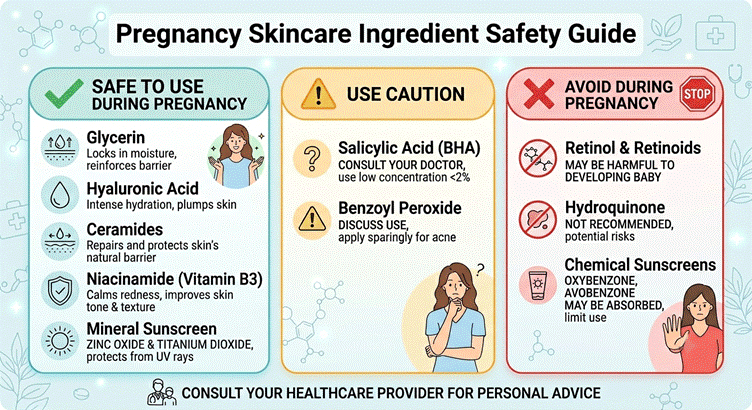
ALT TEXT: Chart categorizing skincare ingredients by pregnancy safety level.
Retinoids remain the most consistently avoided skincare category during pregnancy according to dermatology and obstetric guidance.
What If I’ve Already Been Using a Product That Contains Retinol?
This is one of the most common fears.
Current expert guidance is:
- Stop using the product.
- Contact your OB-GYN.
- Do not panic.
Experts emphasize that topical exposure is very different from prescription oral retinoids such as isotretinoin, which are known teratogens. Most accidental exposures do not automatically mean harm occurred.
The overwhelming majority of women who unknowingly used a retinol cream before discovering their pregnancy do not experience adverse outcomes.
Best Choice Based on Your Situation
Choose Nivea If:
- You need affordable hydration.
- You use basic moisturizers.
- You are willing to read ingredient labels.
- Dry skin is your main concern.
Choose Burt’s Bees If:
- You prefer natural-focused products.
- You like plant-based formulations.
- You still review ingredients carefully.
Choose Mustela If:
- You want pregnancy-focused formulations.
- You prefer minimal ingredient research.
- You are specifically concerned about stretch marks and belly care.
- Budget is less important than reassurance.
How to Check Any Product Yourself in 60 Seconds
Use this simple framework:
Green Light
Look for:
- Glycerin
- Hyaluronic acid
- Ceramides
- Shea butter
- Cocoa butter
- Niacinamide
- Vitamin C
Yellow Light
Review:
- Essential oils
- Chemical sunscreen filters
- Exfoliating acids
Red Light
Avoid unless specifically cleared by your healthcare provider:
- Retinol
- Retinoids
- Tretinoin
- Adapalene
- Retinal
- Hydroquinone
This approach works for Nivea, Burt’s Bees, Mustela, and virtually every skincare brand.
Final Verdict
For most pregnant women, basic Nivea moisturizers are not the skincare products that deserve the most concern. The real focus should be on active ingredients rather than brand names.
- Nivea offers affordable moisturization and many products are likely appropriate during pregnancy.
- Burt’s Bees offers many pregnancy-friendly options but should not receive a free pass simply because it is natural.
- Mustela provides the most pregnancy-focused experience and requires the least ingredient detective work.
If you want the simplest answer:
Classic Nivea Creme, most basic Burt’s Bees moisturizers, and Mustela’s maternity line are generally lower-risk choices during pregnancy, while retinol-containing, anti-aging, and certain specialty formulations deserve closer review.